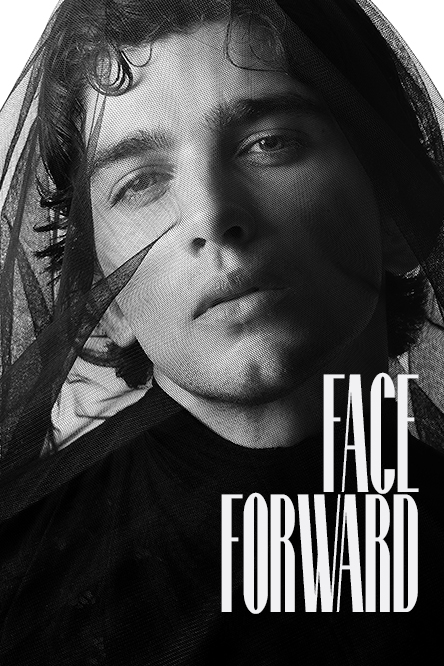
If the cameras stopped rolling, the audience stopped screaming their names, and everything they worked so hard for became ordinary, would they still recognize themselves?
It is a strange thing to grow into a person you once only imagined becoming. Nobody really knows what they’re doing when they first begin. You try something, get it wrong, learn a little, and try again. Eventually, you get better. You become more certain of yourself, or at least better at figuring things out as you go.
Actors spend so much of their lives working toward a future version of themselves that they rarely consider what happens when they finally become that person. They imagine the achievements and the moment everything makes sense. But they do not always imagine what follows, or how the person they become might still carry the same fears, doubts, and uncertainties as the person who started out.
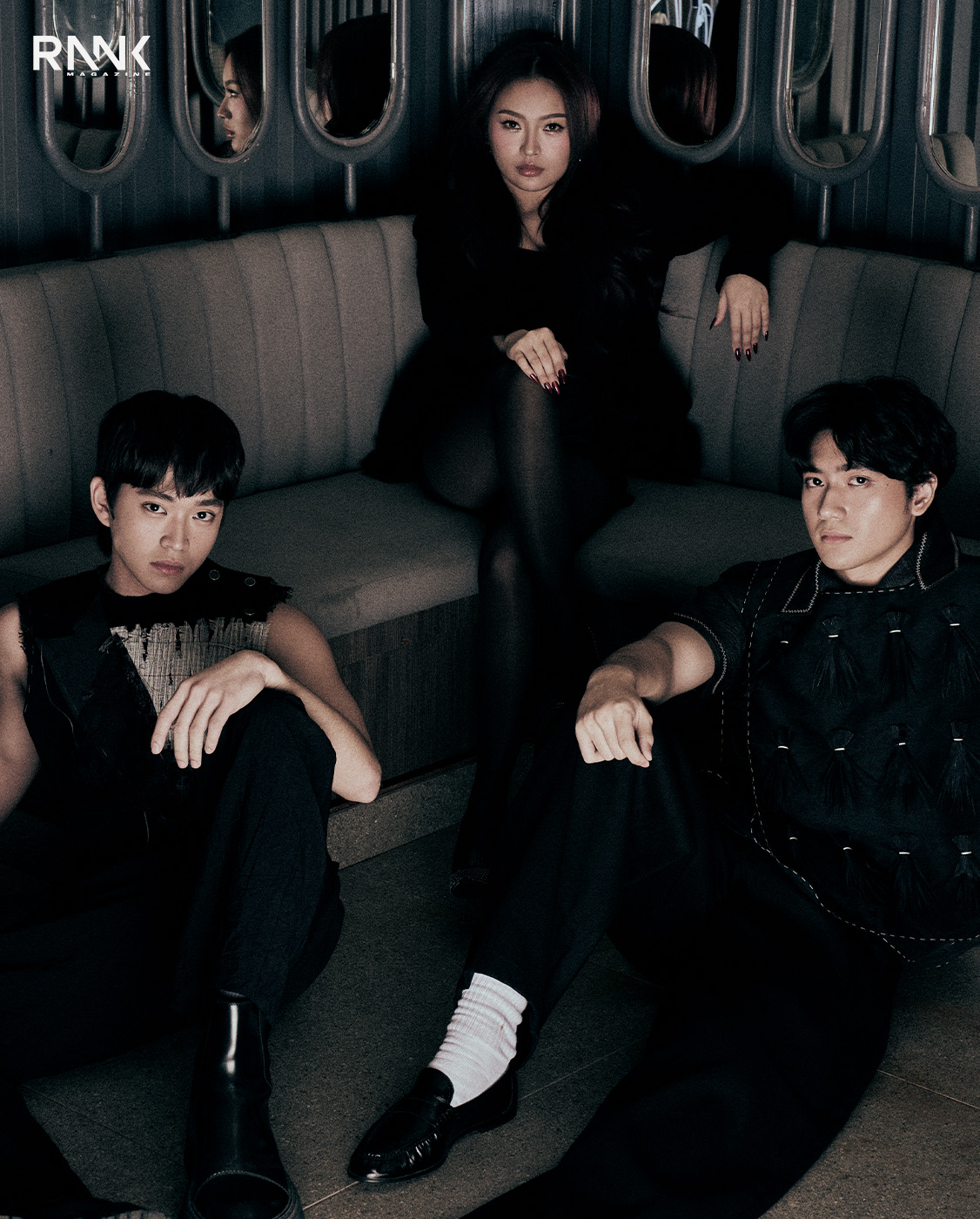
Photographed by Lyndon Kyle Asuncion.
For Rabin Angeles, Angela Muji, and Zeke Polina, the journey toward becoming actors has never been a straightforward progression from wanting something to finally having it. Their experiences have taken them through different and multiple beginnings and moments of reprieve. Yet, in a conversation about their continuing rise as emerging actors of this generation, hot on the heels of the release of online series Dating Alys Perez (DAP)—a quick followup to runaway success that was Seducing Drake Palma—this very journey trails three young artists finding their footing in the industry and learning to live with who they are, while making room for who they have yet to become.
Before acting became a possible future, Polina imagined himself hosting. Off his first project, it was once the clear-cut direction he initially thought he would take. Now, acting has become something he genuinely finds joy in, a craft he can imagine building a long-term career around. He speaks of the change with a recognition that he has come a long way, especially from the nervousness he once felt when called to perform.
Angeles’ journey offers a different kind of full-circle moment. He remembers getting handed a bit role for a production involving the very same producer and director he would eventually reunite with on DAP. Looking back, he is struck by the distance between those two points in time. He had once been a background figure in the frame; now, he was standing beside them in a central role. His gratitude comes from recognizing that the places and people that once represented a distant opportunity have become an active part of his own and still-evolving story.
Muji, meanwhile, has spent a decade moving through different spaces of performance. Beginning with pageants in 2016, she pursued opportunities with talent agencies, joined cover shows, and eventually spent nearly five years in K-pop. Acting became another turn on a road that had already changed directions multiple times.

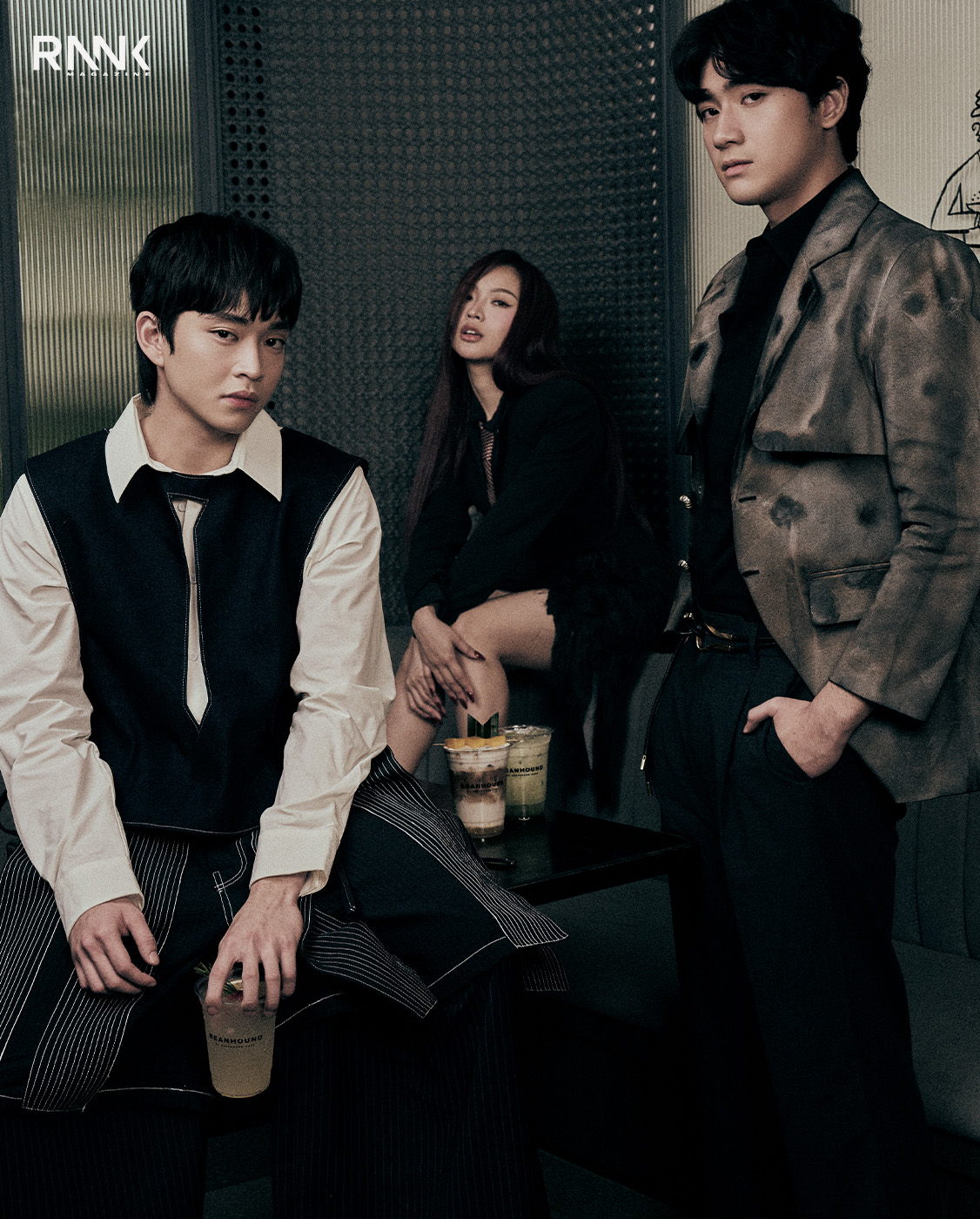
Photographed by Lyndon Kyle Asuncion.
Their paths are completely different, but all of them realized that becoming who you want to be rarely happens in the way you first imagined. Sometimes, a person grows into a possibility they never considered, returns to a place they once occupied only to discover they are no longer the same person, or finds themselves doing the very thing they spent years trying to reach, only to discover there is still so much left to learn.
Growth does not automatically make an actor feel accomplished. It does not guarantee instant confidence, nor does it erase the insecurities carried long before anyone knew their names. Yet arriving at a new opportunity does not mean arriving fully prepared for it. A person can recognize how far they have come and still feel inexperienced. They can finally get the chance they wanted and discover that the work is harder than they expected.
For Muji, Angeles, and Polina, DAP became another point in that process. The series gave them room to work on their craft, but it also brought them face-to-face with the things they had yet to figure out.
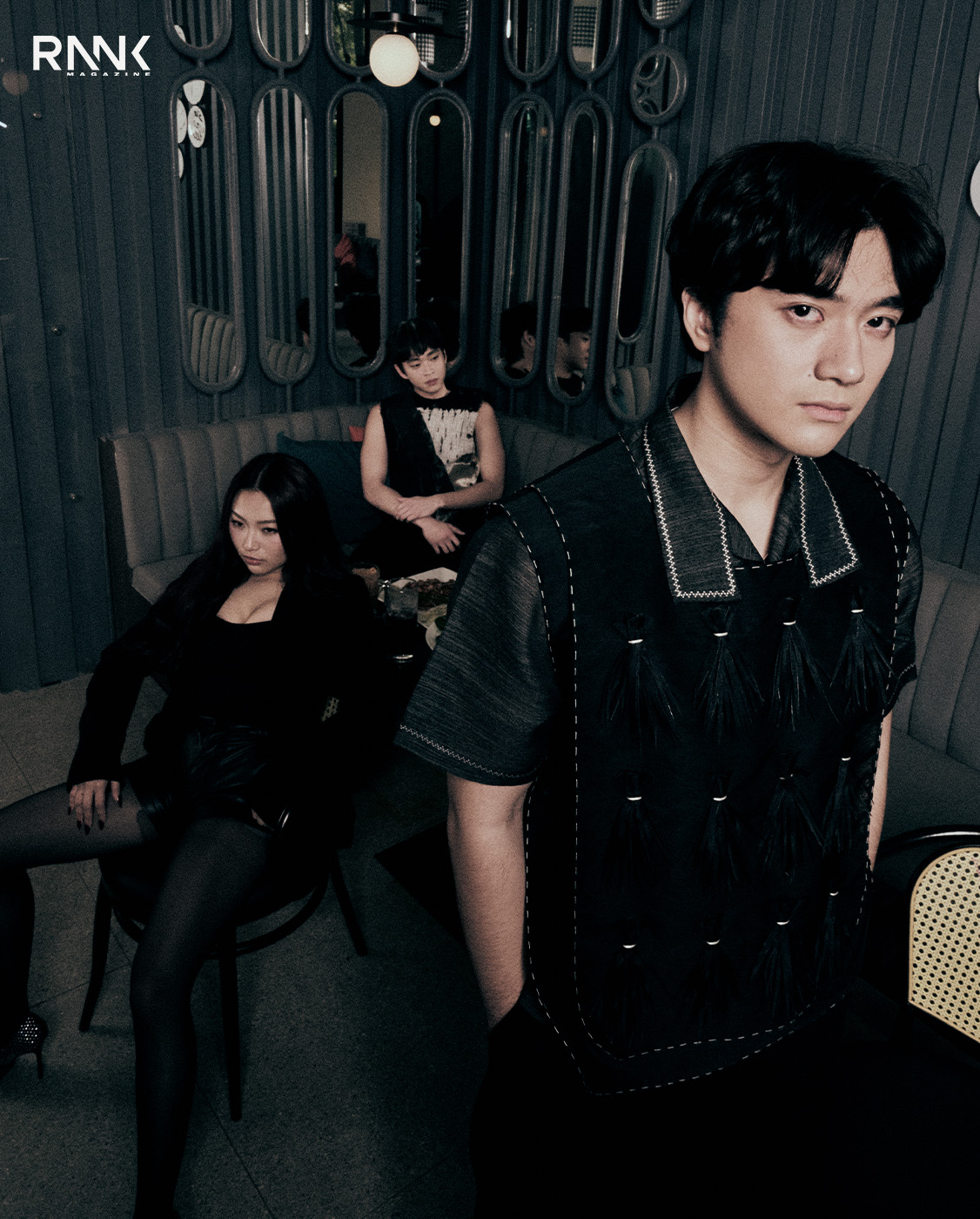
Photographed by Lyndon Kyle Asuncion.
Zeke Polina confronted the exact parts of performance that used to make him hesitate. Having started in hosting before taking on cameos and ensemble roles, dramatic acting initially felt like unfamiliar terrain. He openly identifies heavy emotional scenes as one of his biggest challenges, admitting that crying on cue or accessing deep vulnerability was once his greatest weakness.
Rather than shying away from it, he chose to view DAP as an essential gift or a space where he could actively build that muscle alongside a supportive cast and crew. Through intensive pre-production workshops and set dynamics that encouraged open communication, he then learned to navigate character boundaries and handle heavy scenes with a growing sense of ease. He does not claim to have mastered everything overnight, nor does he view his trajectory as a finished arc. Instead, he speaks of his growth with steady patience, treating every challenging scene as a necessary step toward building a lasting career in the craft.
Being Tripp meant more than preparing for a character. Polina was joining an onscreen dynamic that Muji and Angeles had already established, and he had to find his place within it. The adjustment began before they even got to the actual scenes.
He remembers the workshops as an important part of the process, particularly because they went beyond improving their acting techniques. They were also an opportunity to get to know one another, understand how each actor approached the work, and build enough familiarity to make performing together feel sincere and natural.
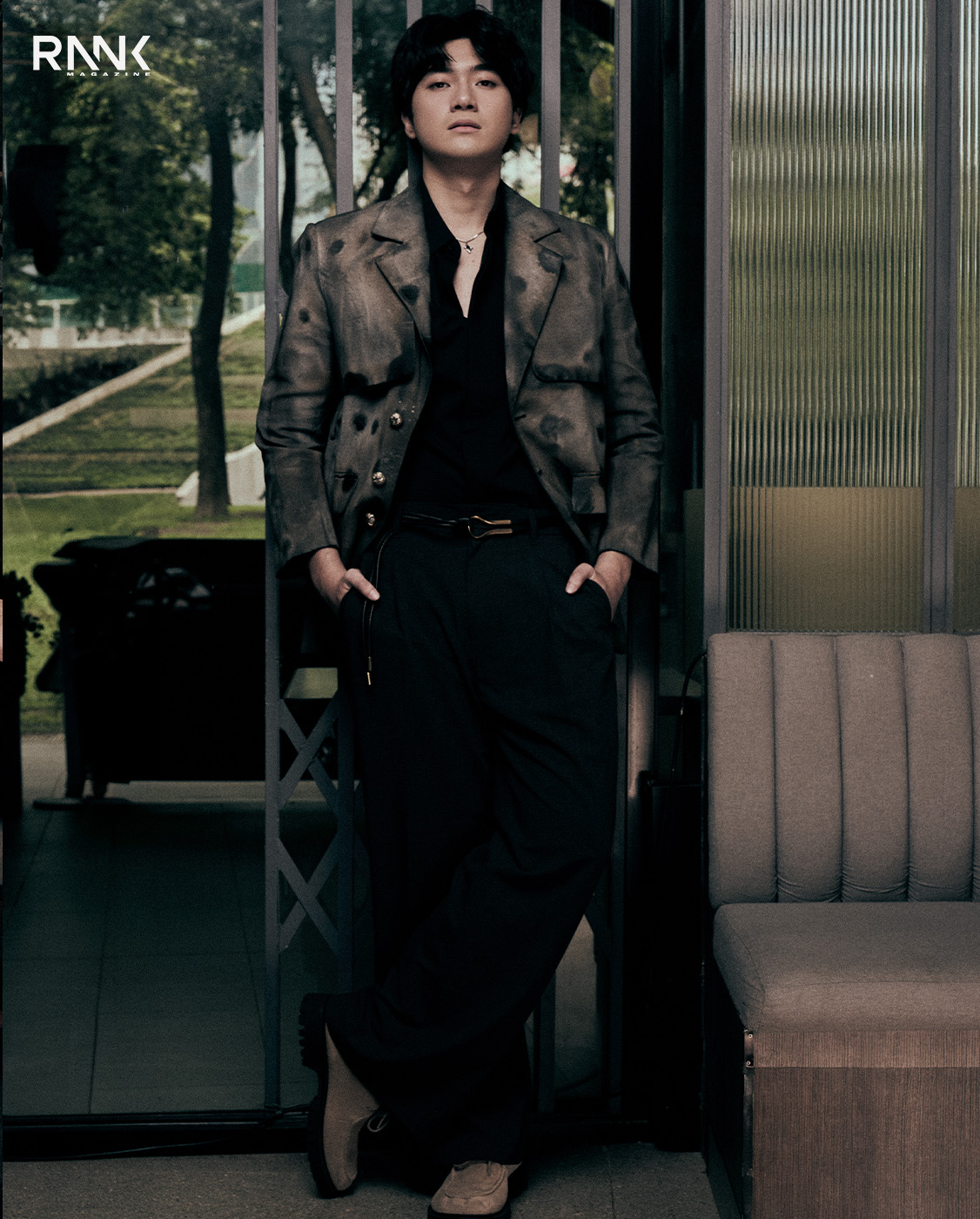
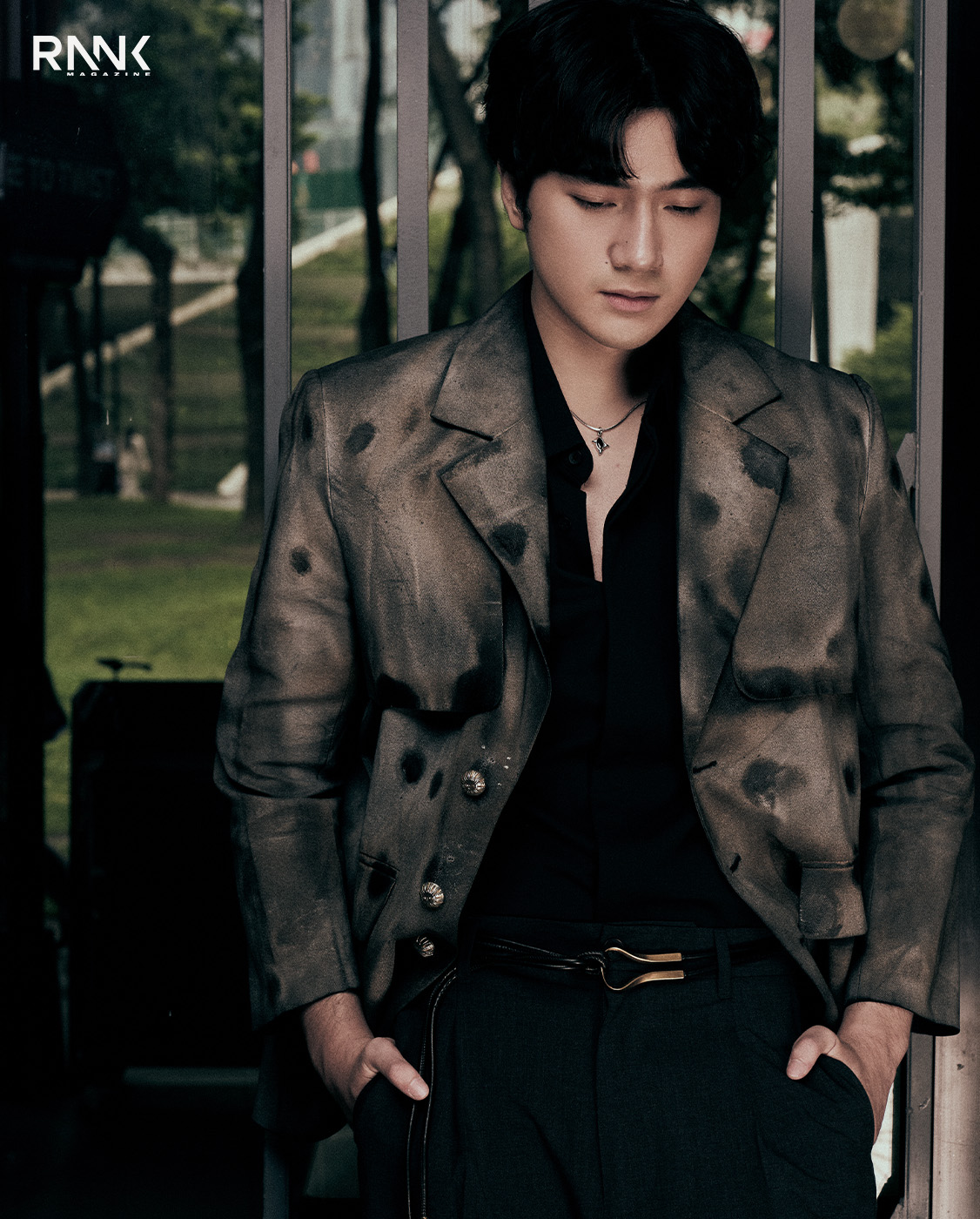
Photographed by Lyndon Kyle Asuncion.
When asked about onset interactions, Muji recalls that the two barely speaking before the project, despite having exchanged messages in the past. Their first scene together was their first proper opportunity to work with each other. Polina’s entry into the series and the workshops that followed quickly after allowed them to talk through the change and begin building their onscreen relationship.
For Polina, that preparation made a difference. The production welcomed him and this level of comfort gave him enough fuel to deliver what is asked of him, be it in creating intimacy, tension, or vulnerability.
With this newfound onscreen partnership, the two highlights the importance of feeling safe and comfortable with a co-actor. Familiarity builds connection and it also makes communication easier. Polina stresses, actors need to be able to ask questions, in the same vein that boundaries have to be respected.
The distinction matters as building chemistry does not mean assuming that a co-actor will be comfortable with everything required of a scene. It means learning how to work together while recognizing that the person opposite you has their own limits. For him, this attentiveness is part of the work he has come to appreciate.
But there is another challenge Polina associates with Dating Alys Perez. He identifies emotions-heavy scenes as one of his biggest weaknesses as an actor, which is why the project easily became such a valuable learning experience. The series demanded emotional performances that he could not simply avoid the parts of acting he found difficult. He had to work through them, take what he learned, and try again.
He describes the opportunity as a gift. He understands that improvement takes time and that he cannot expect to wake up one day already knowing how to do everything well. The project gave him a place to improve, and he believes the experience helped him naturally grow.
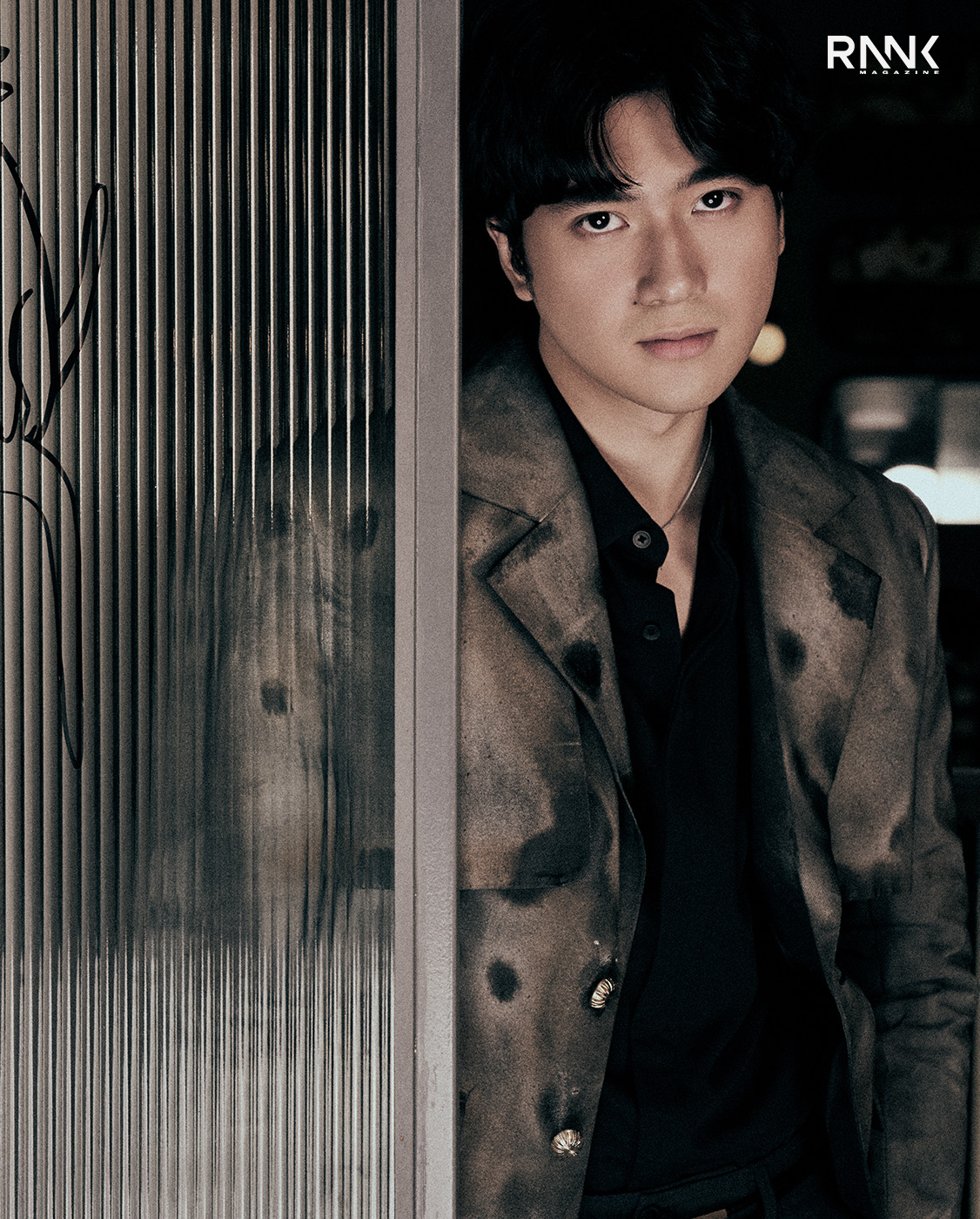
Photographed by Lyndon Kyle Asuncion.
When asked what advice he would give Tripp, Polina returns to the importance of boundaries. He recognizes his character’s willingness to fight for love, but he also believes that persistence has limits. Without them, a person can end up hurting not only themselves but also the person they claim to love. He also wants Tripp to be patient enough to accept that one relationship not working out does not mean another possibility will never come.
Polina is working to understand how to portray a character convincingly, yet he is also thinking about what that character needs to understand about himself. His work on the series asks him to make Tripp’s emotions believable while recognizing that the character’s determination can sometimes become a problem of its own.
For Polina, there is still plenty to learn, both in front of the camera and in the relationships that make the work possible. He does not talk as though he has mastered either. He seems more interested in the fact that he now has the opportunity to keep working at them.
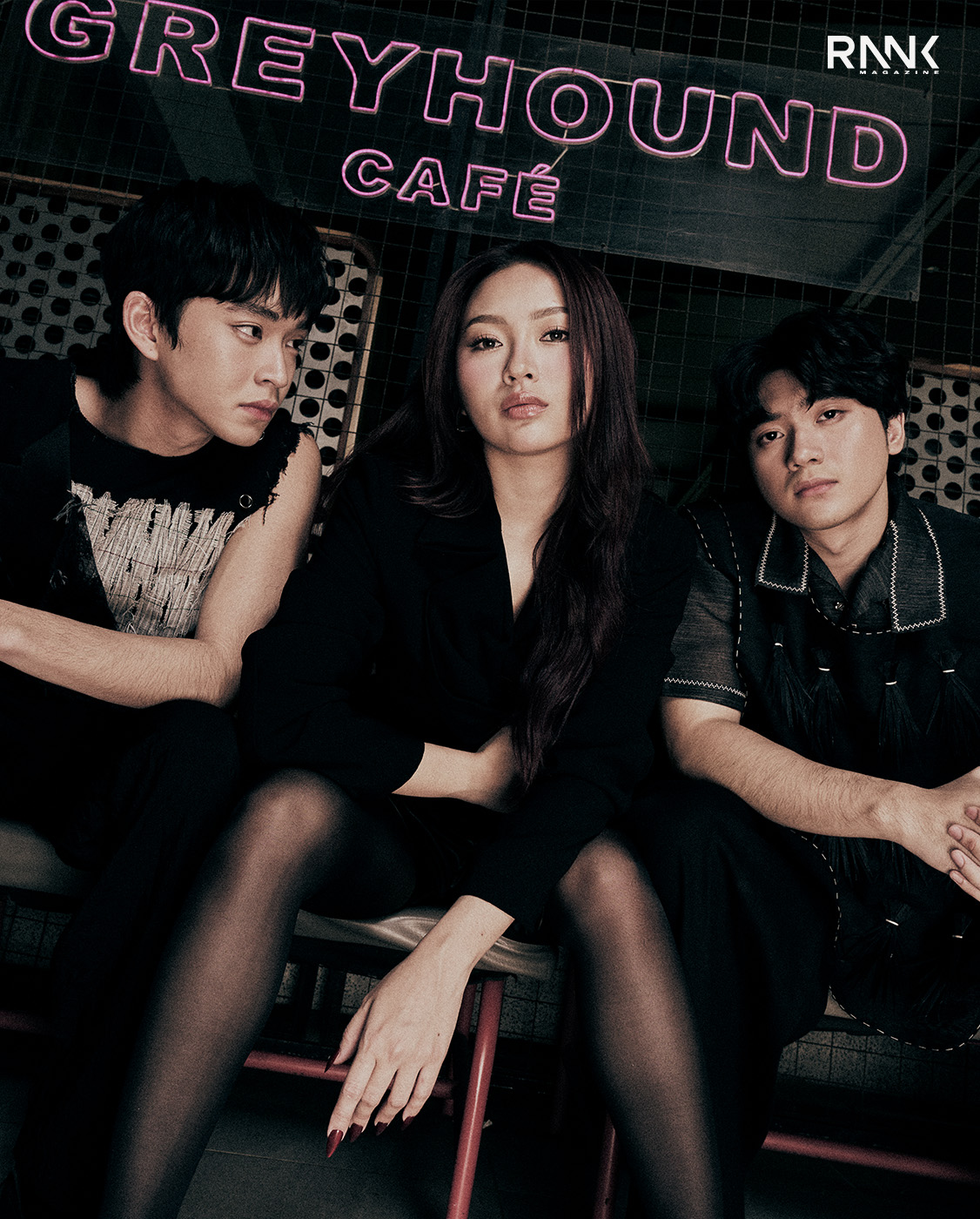
Photographed by Lyndon Kyle Asuncion.
Angela Muji entered the project carrying the weight of past public criticism. After years of moving through pageants, agency work, and half a decade in K-pop, her transition into acting was met with harsh online scrutiny regarding her performance, down to her appearance. For her, Dating Alys Perez represented a personal redemption arc.
Yet even as she reflects on the importance of self-love and setting emotional boundaries, Muji catches herself in a moment of vulnerability, admitting that she still struggles with the inevitable prying eyes and the need to please them. Her journey with Alys became a mirror for her own life and a reminder that learning to protect your peace and value your own worth is an ongoing practice, even when you already know the right answers in your head.
She explains what the project meant to her personally, recalling the criticism she received about her looks, acting, and performances. The comments affected her enough that she began questioning whether she deserved the place she had reached in the industry. The experience left her feeling small, forcing her to confront deep-seated doubts about whether she truly belonged on the platform she had finally been given.
With DAP, she wanted the series to be different. It being the final season, she saw it as an opportunity to give Alys the ending she deserved. She prepared herself mentally and emotionally, determined to face the project head-on.
When an opportunity becomes a way to answer criticism, the performance can start to feel like a judgment of the person delivering it. Muji knew she was still new to acting, but she did not want that to become an excuse for work she believed could be better. She then pushed herself to make up for what she felt she had not yet mastered.


Photographed by Lyndon Kyle Asuncion.
She approached the series determined to face those insecurities head-on, throwing herself into workshops and pushing her limits to give her character the performance she felt it demanded.
This determination was not without results. Looking back at the projects she had worked on, she recognizes how much she learned from different directors, co-actors, and acting coaches. She speaks particularly fondly of the collaborative work that helped the cast improve together, with the shared aim of delivering performances that would not disappoint the audience.
One of the most important things she took from those experiences was learning to act with intention. Rather than relying solely on her own emotions, she learned to consider the character’s emotions and motivations and use them to bring the role to life. It required her to understand what a character was feeling, why they were feeling it, and how those emotions should inform a performance.
That distinction also helps explain why her relationship with Alys remains meaningful to her. Muji admires her character’s sincerity and the absence of malicious intent in the way she loves other people. Even when Alys gets hurt, she continues to care.
But she also recognizes the cost of that devotion. When asked what she would tell Alys, she does not want her to stop loving Tripp or Drake. She wants her to love herself more. Alys gives so much of herself to the people she loves that she leaves little for her own well-being. Muji understands the sincerity behind that kind of love, but she also sees why it cannot be the only thing that defines a person.
She admits that she is still a people-pleaser. She can recognize that Alys needs to make room for herself while acknowledging that she is still learning how to do the same. But knowing what needs to change does not mean she can change it overnight.

Photographed by Lyndon Kyle Asuncion.
The same honesty appears when she talks about the people who keep her grounded. Muji believes self-awareness is essential, particularly in an industry where popularity can make special treatment seem ordinary. She stresses that people should not act as though they are better than everyone else simply because their work gives them recognition or privileges.
She also believes that the people around an artist should be willing to speak honestly. The same people who encourage you should be able to tell you when you are getting ahead of yourself. Support, to her, includes the willingness to correct someone before their circumstances begin to change the way they treat others.
There is a connection between that belief and the advice she gives Alys. Both require a person to recognize when something has gone too far: when caring for others begins to mean neglecting oneself, or when recognition begins to affect how one treats the people around them.
Muji is still working through the first, and she knows how important the second is. She does not pretend that either is easy. Perhaps that is why her reflections on Alys feel personal without making the character a direct copy of herself. She can admire Alys’ capacity to love while recognizing the need for limits, even when those limits are difficult to practice in her own life.
By the end of the series, she hopes to carry more than the satisfaction of having completed a demanding role. She speaks about lessons from the people she worked with, the techniques she learned, and the character who taught her something about love, and the lessons hiding underneath its many complexities and absurdities. She also reflects on the impermanence of time and how quickly the experience of filming for DAP has passed. This serves as a reminder to enjoy the time she has rather than assuming and expecting that there will always be more of it.
The redemption she sought through the project may have been tied to proving what she could do. What she takes from it, however, extends beyond proving a point to anyone who doubted her. She has more to learn about her craft, and she is still figuring out how to protect the person behind the performance.
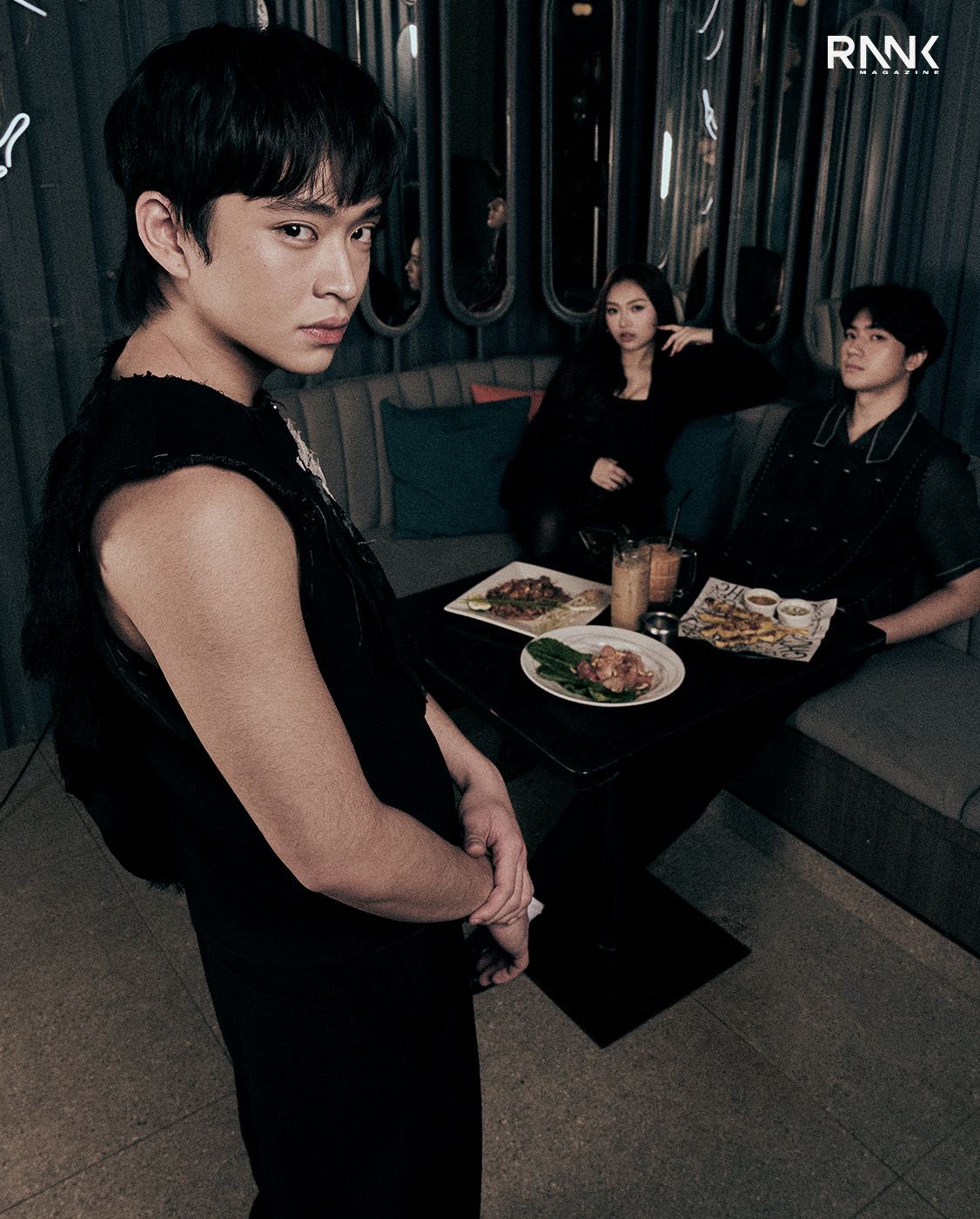
Photographed by Lyndon Kyle Asuncion.
Rabin Angeles‘ anchor throughout his career has always been a refusal to forget where he began. Standing on set for Dating Alys Perez brought him back to his early days as a background extra on Instant Daddy, working in the background for the same director and producer who now helm his current series. For him, keeping grounded is a conscious decision to hold on to his origins so he never loses sight of why he started in the first place.
He approaches his craft with a straightforward, instinctual discipline, preferring to understand characters through conversation and emotional play rather than script analysis. His focus remains fixed on staying true to his core identity regardless of how much his external circumstances change. As he closes out this chapter, he continues to look back at his early struggles as a reminder to keep his character unchanged. He believes firmly that the way he started is the exact way he ought to finish.
Angeles describes Dating Alys Perez as one of the most demanding projects he has worked on, largely because of how often the story required emotional scenes. He remembers episodes in which the cast had to cry once or even twice, sometimes on alternating days of taping. The challenge was not simply to produce tears. The emotional scenes could not all feel the same. Each had to carry something different, and Rabin had to learn how to bring out the particular emotion a scene required, sometimes even when the director needed him to reach it more quickly.
But in this pursuit, he says the project helped him understand acting even more deeply and made him appreciate the craft even more. The work asked him to examine his characters and figure out how to portray them with greater range, rather than relying on the same emotional approach every singe time.
That process was informed by earlier projects, too. Angeles recalls that coming in relatively inexperienced during Seducing Drake Palma with his now steady onscreen partner. By the time they reached Dating Alys Perez, they made a deliberate effort to participate in more workshops and prepare more thoroughly. They wanted to give the second season more of what they have learned since the first.
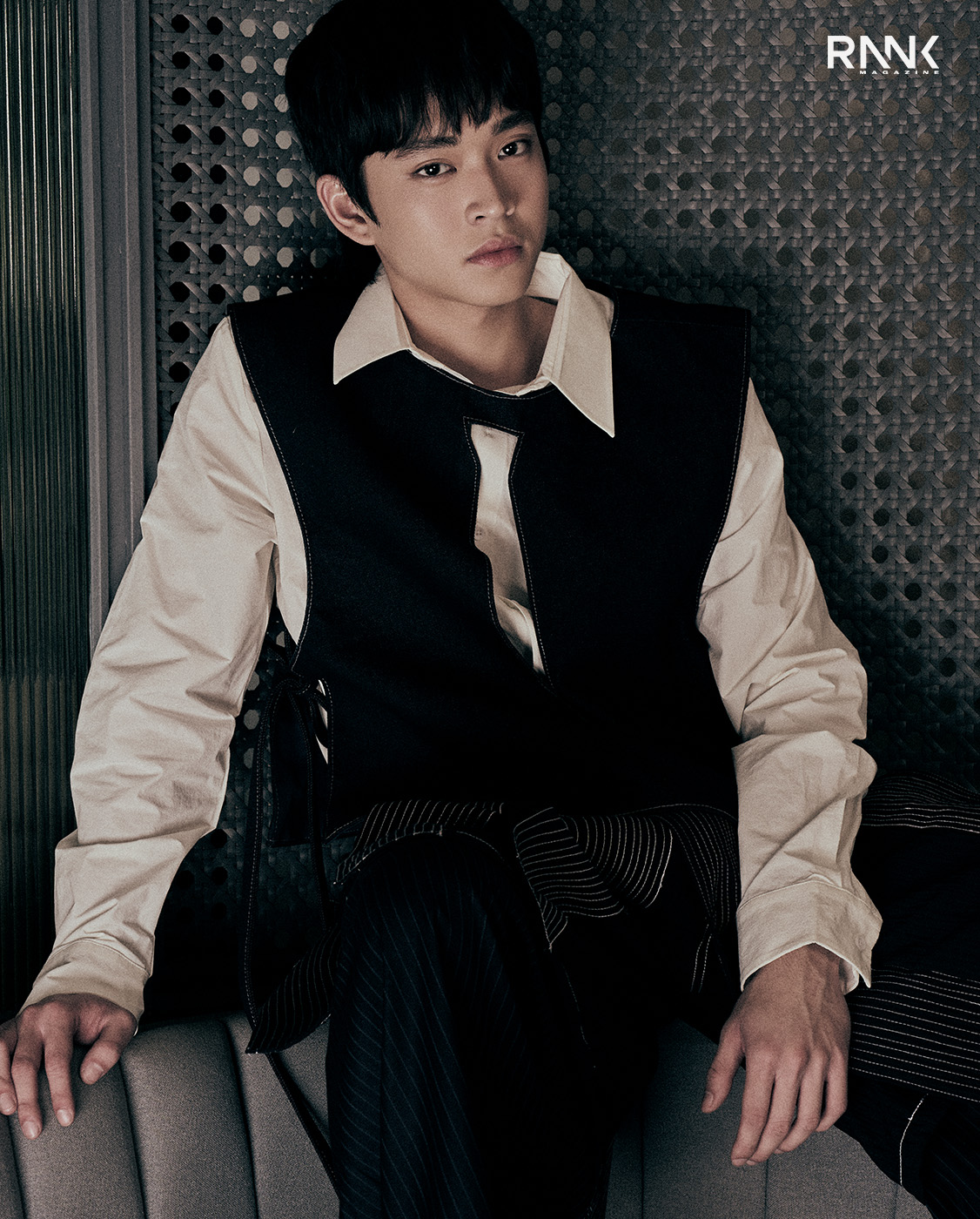
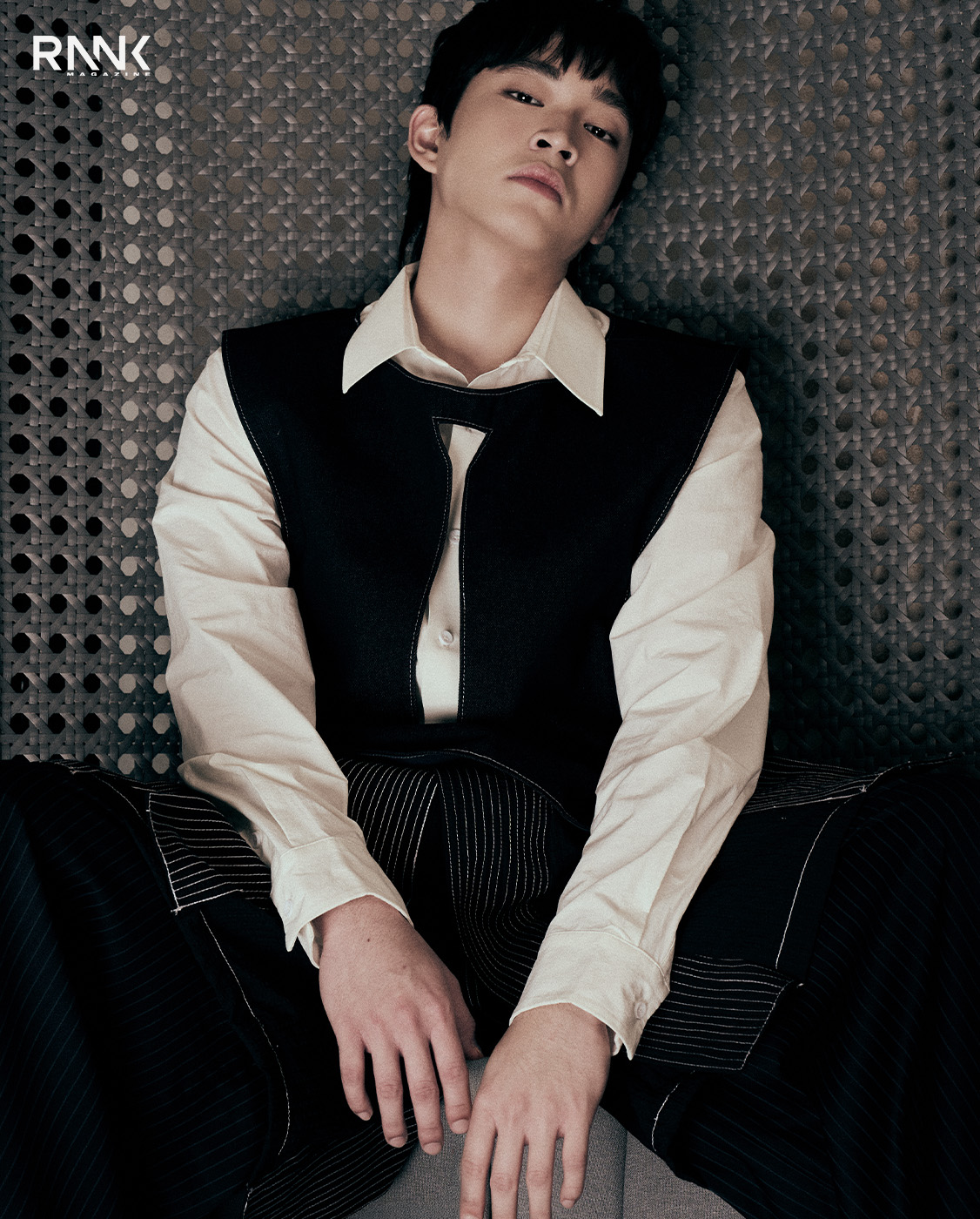
Photographed by Lyndon Kyle Asuncion.
Angeles’ reflections suggest that improvement, for him, has been less about reaching a point where acting becomes easy and more about discovering new ways to approach the work. He talks about breaking down his roles and understanding the people he portrays, and describes experimenting with how he prepares for a character.
For one project, he explains, he wanted the character’s story to be told to him rather than repeatedly reading the book or script himself. That way, he could absorb the character’s circumstances and work out how he wanted to play them. It is a different approach to preparation—one that gives him room to explore the role instead of feeling confined to a single interpretation.
The process matters because the performance is not about just about knowing what happens in a story. An actor also has to decide how a character experiences those events, what they reveal, and how they respond. His experience on Dating Alys Perez gave him more opportunities to make those decisions, particularly in scenes that demanded emotional shifts.
His advice to his character is surprisingly simple in comparison with the work he describes. He wants the character to stop rushing through life and allow himself to experience things as they happen.
Angeles says he should not skip the parts that need to be lived through. The advice fits neatly beside the patience his work requires, though he does not present it as a principle. It is a straightforward reminder that getting somewhere quickly is not necessarily the same as understanding what it takes to get there.
That sense of perspective also appears when he talks about staying grounded. Angeles returns to the memory of the times when he had very little, reminding himself of how difficult those circumstances were. He is still surprised when people ask him for photos, and he remains grateful for the opportunities that have come his way. He also speaks about praying in gratitude and asking God to keep him from losing sight of himself.
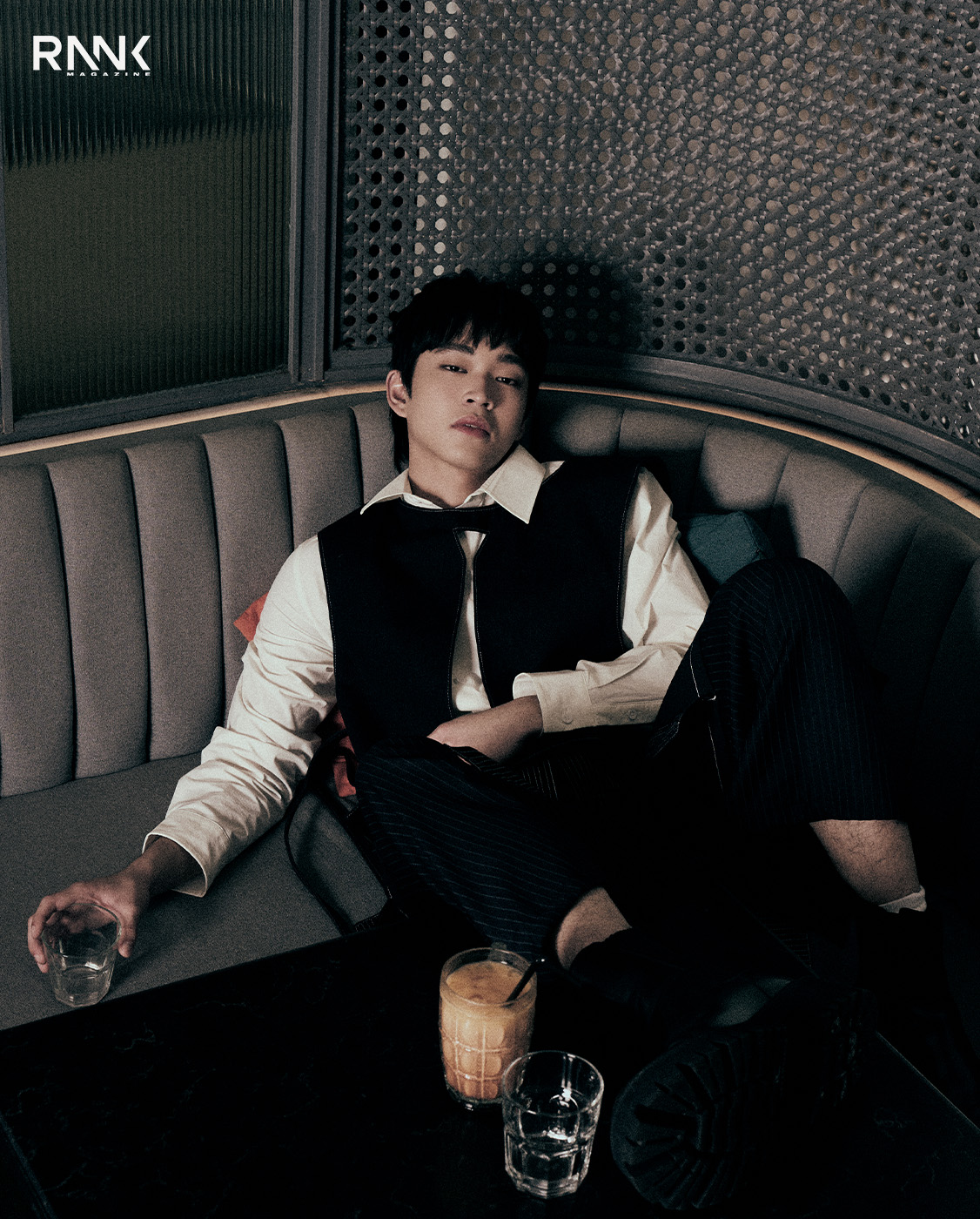
Photographed by Lyndon Kyle Asuncion.
His guiding thought remains that his life can change, but his character should not. There is a difference between remembering where you started and believing you must remain the same in every way.
Angeles has clearly learned new things about acting, and his experience has changed how he approaches his roles. What he wants to preserve is his character— the way he treats people, and his grasp of the opportunities he has received.
His return to work with familiar people on Dating Alys Perez gave him a reason to reflect on that journey. The experience mattered not only because of the role he was able to play, but because it allowed him to recognize how much had changed since his first thrust into the scene at point zero. He speaks about it with gratitude rather than treating it as declaration of his arrival.
That may be the distinction Angeles is trying to maintain. He can acknowledge his progress without assuming that progress makes him more important than the people around him. He can be proud of what he has learned without believing there is nothing left to learn. And, much like the characters he plays, he is still moving through the story rather than standing at its conclusion.
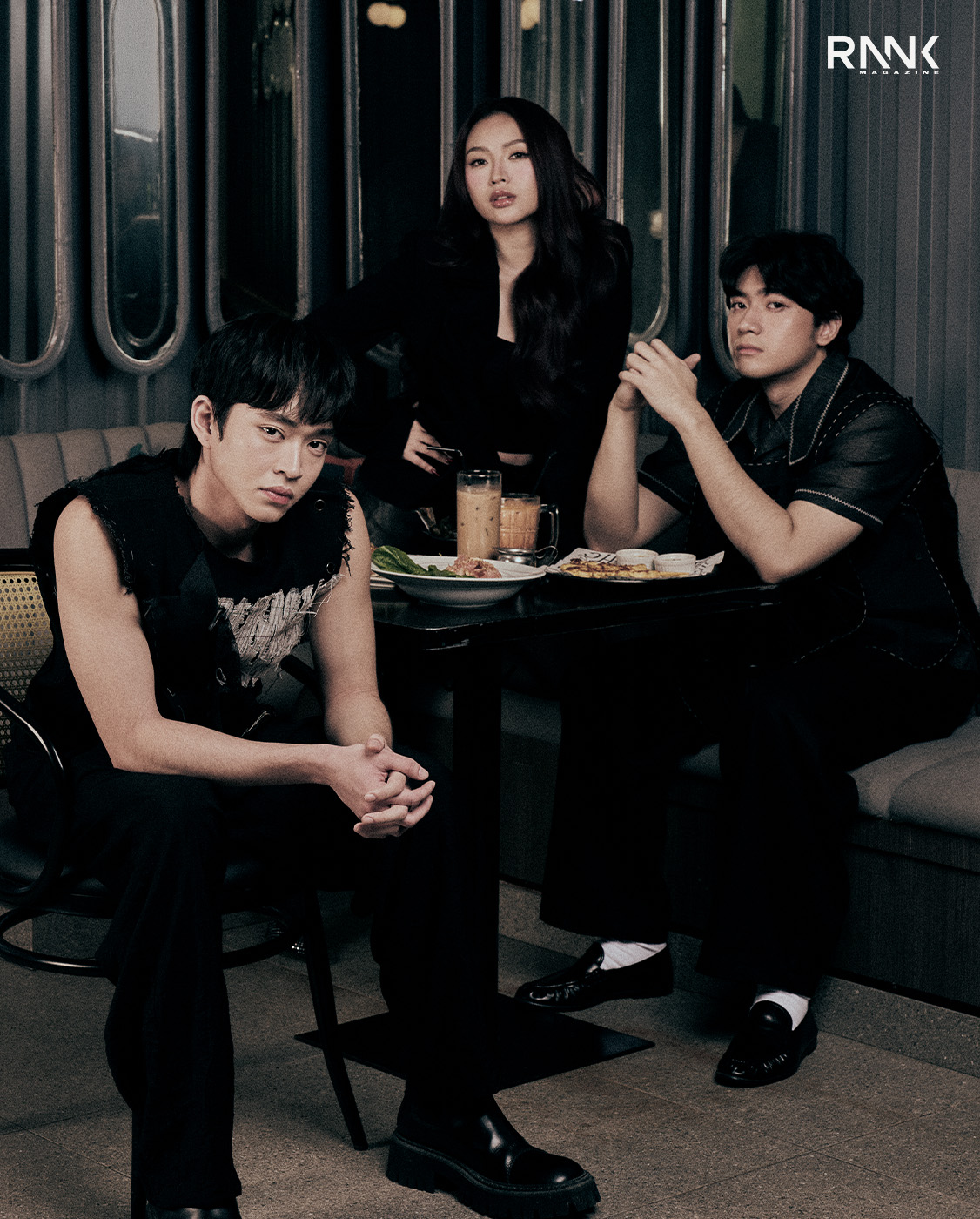
Photographed by Lyndon Kyle Asuncion.
Whatever comes next for the three of them, together or on their own, will likely bring a new set of questions, unlearned habits, and unfamiliar demands. The work will change, the audiences will shift, and the roles that once occupied every hour of their days will eventually give way to new projects.
For now, Muji is still learning to leave something for herself. Angeles is still reminding himself where he began. And Polina is still working toward the performance he knows he can give, even when it takes more than one attempt to get there.
What stays with them is not the guarantee that they will always get it right, but the understanding that growth is never a single destination. It is simply the continuous choice to keep showing up as themselves even after the lights go down.

Produced by Rank Magazine
Made in collaboration with Viva Artists Agency
Creative, fashion, beauty and editorial direction: Leo Balante
Photography by Lyndon Kyle Asuncion
Editorial and multimedia associates: Andie Manuel, Shanley Olego, Irish Passion, and Hershey Villarico
Styling by: Team Myrrh Lao To
Make-up by: Jessie Maghuyop
Hair by: Rod Rubia
Shot on location at: Greyhound Cafe Ayala Triangle
With acknowledgments to:
Caryl Ann Paraico, VAA
Jean Lander Agor, VAA
Miguel Francisco Laureta, VAA
Jennie Laine Navoa, VAA
James Sambayon, VAA
John Paulo Garcia, VAA
Seth Rabang, VAA
Arianne Guerrero, Viva International Food & Restaurants, Inc.
Stephanie Mendoza, Viva International Food & Restaurants, Inc.