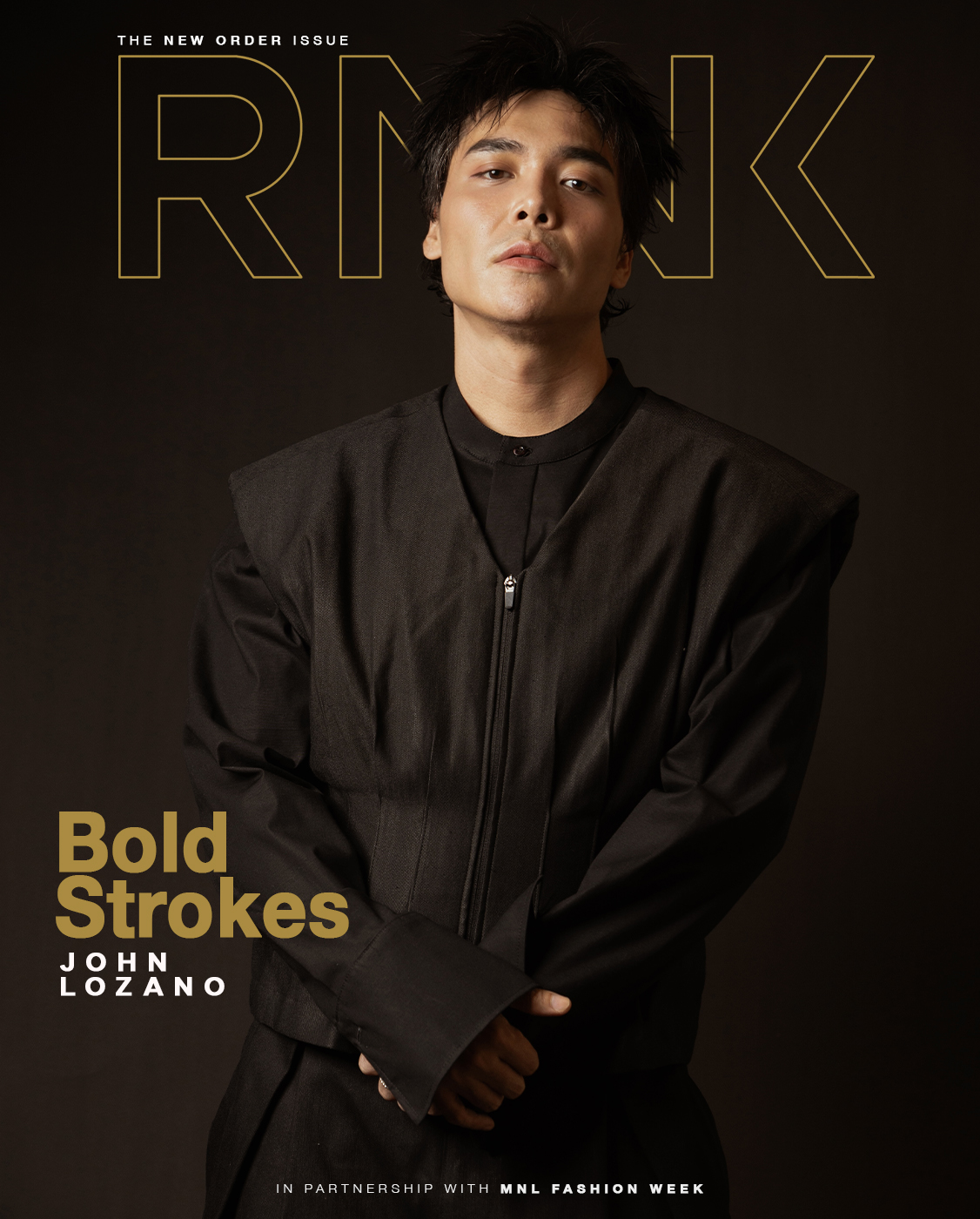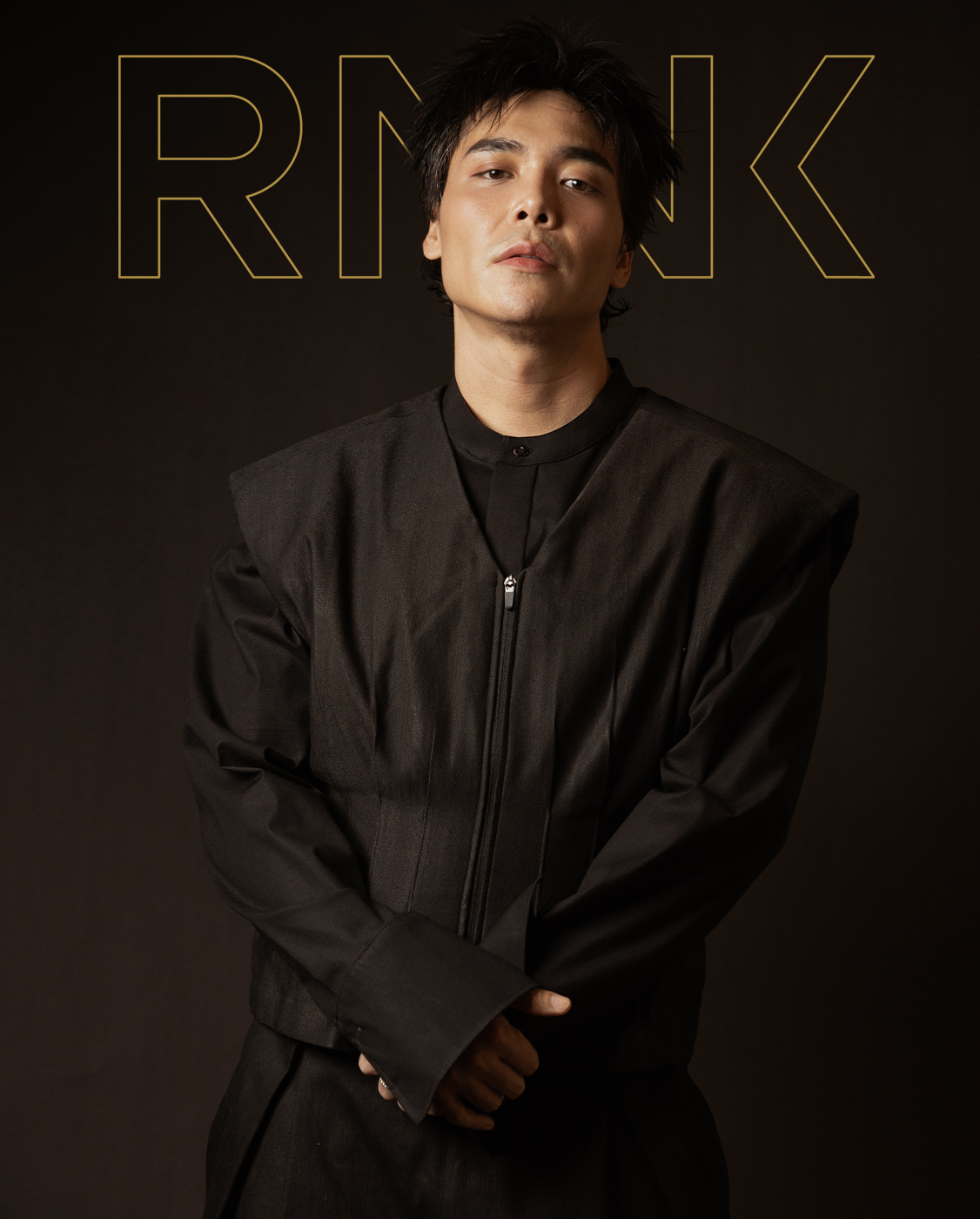
There was no grand plan behind John Lozano’s career in fashion.
Long before he became a stylist, creative director, and the force behind arguably the most anticipated celebration of fashion in the country today, Lozano was simply a boy growing up in Ilagan, Isabela, surrounded by four sisters who were fashionable in their own ways. One memory in particular stayed with him: watching a video of his sisters walking in a school fashion show. At the time, it was little more than something he happened to witness. Years later, the image of a fashion show would resurface in a life that had taken him somewhere entirely different.
His eventual entry into the industry was almost accidental. At 19, while studying Theater Arts at the University of the Philippines, he was featured in a story about stylish students in Manila. The opportunity led to his first magazine editorial, opening doors to a career in styling that would eventually span more than 20 years.
Since then, his career has rarely followed a straight line. He moved through celebrity styling, make-up, events, marketing, branding, retail, and a string of music-and-fashion projects. He directed events and worked on campaigns. He spent years doing things that, at the time, seemed disconnected from one another. Yet looking back, the pieces begin to form a pattern.
Eventually, they converged in MNL Fashion Week.
Now entering its second run, the event is more than another addition to the Philippine fashion calendar. For Lozano, it represents the amalgamation of everything he has learned across two decades of working in different corners of the creative industry. His background in theater taught him the importance of storytelling. Styling taught him how clothes can communicate. Marketing taught him how to make an idea reach people. And his experience in events taught him how to bring all those elements together.
What began as a series of accidents has become an attempt to build something deliberate. His relationship with fashion began long before he considered it a career. Where he grew up, fashion shows were not exactly an everyday occurrence. Manila’s fashion scene felt distant from the small provincial town.
It was only when he moved to Manila for college and began studying Theater Arts at UP that his world expanded. Suddenly, he found himself surrounded by the arts. The exposure brought those childhood memories back into focus, even if he still did not recognize them as the beginning of a career.
Then came the opportunity that changed everything.
His first editorial came with its own learning curve. Looking back, his first few jabs at fashion was funny in retrospect, but it also captures something essential about developing his early career: he was learning by doing. There was no carefully mapped-out route from Theater Arts student to fashion professional. But, one opportunity led to another.
Styling eventually led him to celebrity styling, also through an unexpected turn. What began as styling for a television production became a career dressing celebrities for their other appearances and projects. Even then, he resisted calling it a career.
“I’m just doing this because it’s a pastime, it’s a hobby,” he recalls thinking during his early editorial work. Even when styling became a job, he continued to see it as something he was doing while waiting for what to many in his generation of kickstarters, an “actual career.”
Part of that hesitation came from practicality. As a student, he had imagined a different future for himself. Magazine work back then was not exactly known for providing financial security, and styling was not necessarily the obvious career choice it is today. But the more he tried to move away from it, the more fashion seemed to find its way back to him.
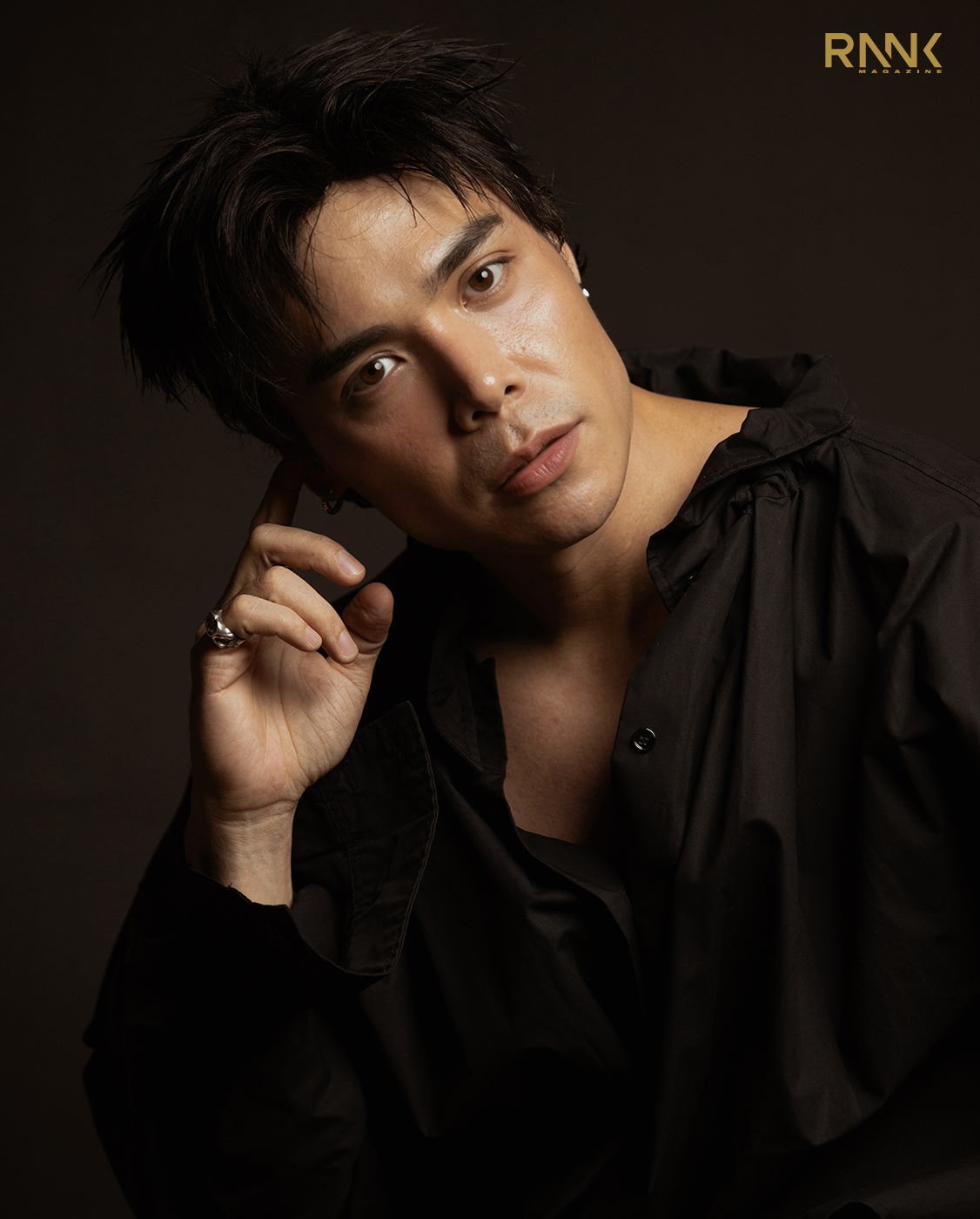
Image courtesy of MNL Fashion Week.
For him, the years that followed were defined less by a single career trajectory than by movement or the beautiful chaos of a slow, careful gradation of multiple creative pursuits.
He tried different things. He directed events. He worked in marketing. He became involved in branding. He gained experience in retail. He explored the intersection of music and fashion through projects such as Manila X, a music festival and fashion event. He worked with Philippine Fashion Week, styling shows and campaigns under Joey Espino.
At the time, these experiences may have appeared like separate chapters. Looking back, however, he sees them as pieces of the same story.
He describes his eventual position as an “amalgamation” of everything he has done and has become. “I always had that in my head,” he says of his earlier belief that styling was only temporary. But despite his attempts to convince himself that fashion was not his intended path, it continued to pull him back. Eventually, he stopped fighting it.
Lozano, like many from his generation of creatives, had already been fascinated by the glow and the inviting lights of Philippine Fashion Week long before he became the person staging one. Around 15 years ago, he remembers the particular excitement surrounding Fashion Week, the anticipation of October, the question of what to wear, the uncertainty of whether you would get an invitation, the security of a seat, even with an existing invite—all of which, marking the Philippine Fashion Week experience an achievement in and of itself.
Then that culture began to disappear. The pandemic changed priorities. The industry changed. The idea of a “fashion week” became less present in the way he remembered it. And while he hoped that someone would eventually bring that experience back for a younger generation, it was never in the drawing board for him, to be the one doing the unenviable task of staging a week-long gathering of the fashion industry.
But true to his creative life’s ongoing narrative arc, the opportunity arrived through another seemingly unrelated part of his career. Doing marketing for beauty brand BYS, he was asked how the company could celebrate its 10th anniversary. He proposed a Fashion Week that does not simply serve as a fashion event, but as a way of demonstrating the range of the brand through different shows, concepts, shoots, events, and creative executions.
BYS Fashion Week became MNL Fashion Week. The timing, he believes, mattered. By then, the team had already spent years developing the experience and learning how to mount an event of that scale. What might have been premature in its second year became possible after three iterations.
Again, the accident began to look like inevitability. “I knew that we were equipped to do it,” he says. “We had the track record. We’ve done it already. We have the experience.” That experience now informs how he approaches MNL Fashion Week. Rather than seeing every new season as an opportunity to reinvent the event entirely, Lozano’s wisdom tell’s him to become more interested in making it better.
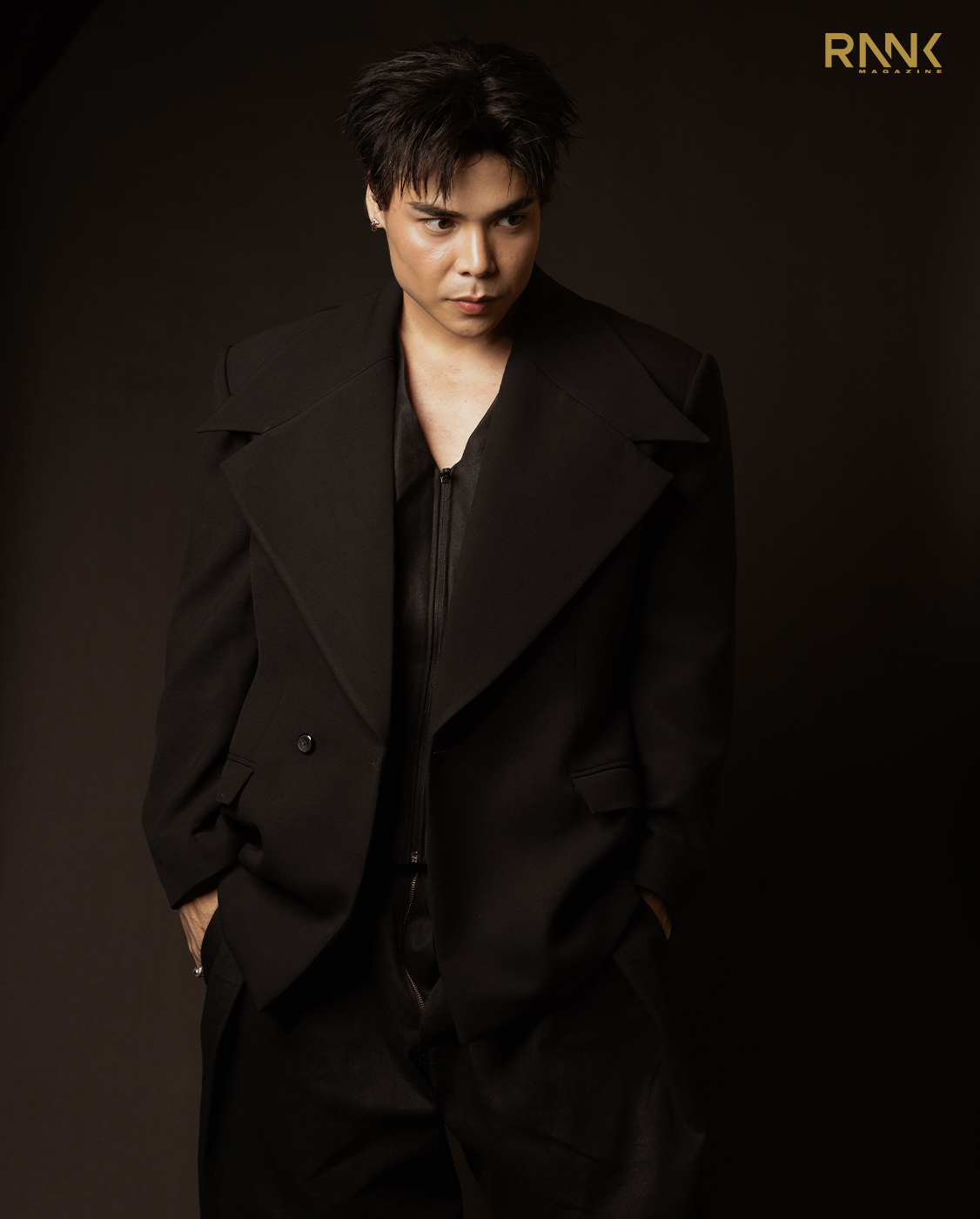
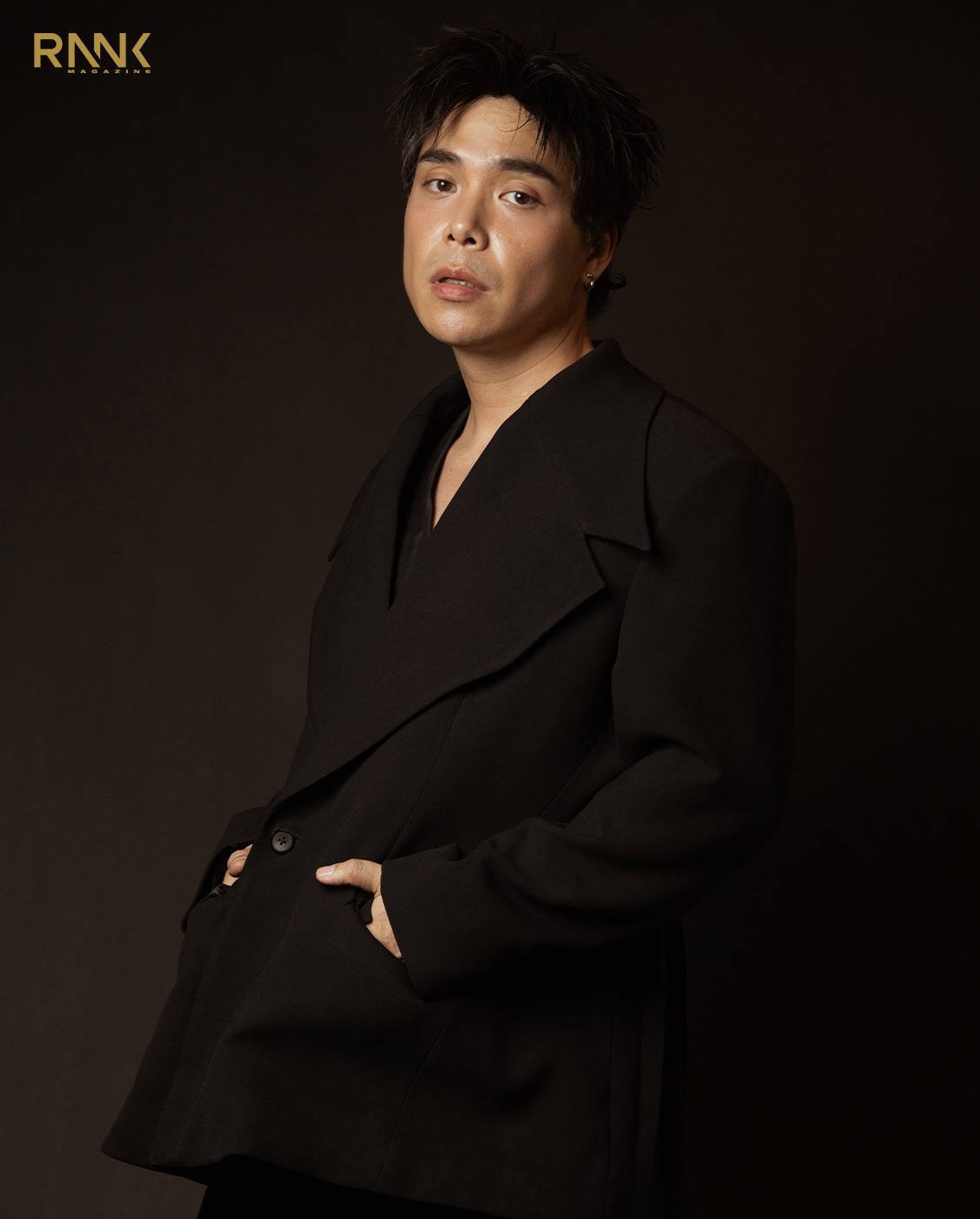
Photographed by JB De Leon. Images courtesy of MNL Fashion Week.
He describes MNL Fashion Week as still being in its “infancy stage.” But with a name that carries greater stakes than its predecessor. And with those stakes come greater pressure. But he is not chasing spectacle simply for the sake of it. His priority is to make each season smoother, stronger, and more capable of allowing designers to communicate their ideas.
That philosophy comes directly from his years in theater. For Lozano, a fashion show cannot simply be a collection of clothes placed against a blank stage. The clothes matter, but so does everything surrounding the music, lighting, staging, visuals, movement, and atmosphere that allow a collection to become a story.
One of the moments that cemented this belief for him was a show by Neric Beltran at the then-celebrated BYS Fashion Week. After seeing the collection come out against an all-white stage, accompanied by the music and staging, he remembers feeling something shift. “That was the impact that I wanted people to feel,” he says. It is this understanding of fashion as storytelling that now sits at the center of his work. But the journey has also taught him that creating that kind of experience requires more than creative ambition. It requires resources, relationships, and an understanding of the business behind the art.
Mounting MNL Fashion Week, he admits, is a Herculean task—and an expensive one at that. The amount of money required to produce the shows is substantial, and much of the work is still being built independently. Yet, compromising the designers and the stories they are trying to tell is out of the question. For him, the investment is not only in a fashion show. It is in the possibility of what happens after the runway.
The goal is to give Filipino designers enough visibility to move beyond the local fashion conversation.
This year, by bringing in foreign press and creating regional exposure, Lozano hopes MNL Fashion Week can eventually help open doors for Filipino designers abroad whether through pop-ups, showrooms, or other broader opportunities.
In that sense, the event becomes another convergence point in his career. The theater student who learned to think in stories, the stylist who learned to build images, the marketer who learned to understand audiences, and the events director who learned how to create experiences are all present in the person now building MNL Fashion Week.
“With my theater background, I really believe in storytelling. Everybody needs a little bit of art and magic in their lives.”
Lozano does not separate fashion from storytelling. He has spent two decades dressing people, but what interests him most is what a story can do. He does not just put a collection on a runway. He gives it a world to exist in. MNL Fashion Week is where Lozano’s many creative worlds finally meet. What started out for him as a styling career has expanded into a platform that allows fashion to be experienced rather than just seen.
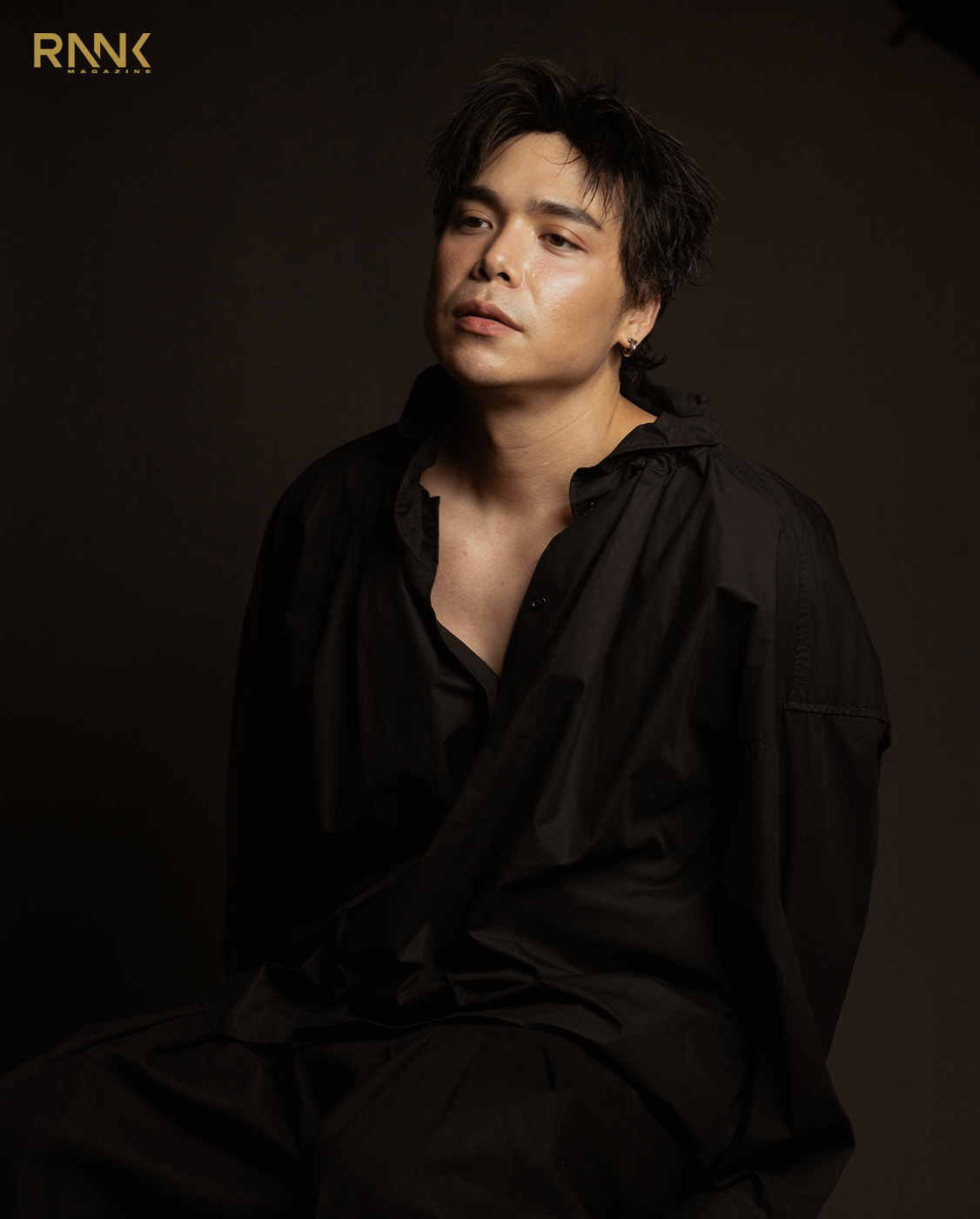
Photographed by JB De Leon. Images courtesy of MNL Fashion Week.
That instinct is deeply ingrained in his working style. His approach comes naturally from an almost poetic marriage of all disciplines he has dipped his toes in, and he understands that a show is more than just what walks down the runway. According to him, a collection is more than just the clothing. A story’s audience is shaped by a variety of elements, including music, lighting, staging, movement, clothing, and atmosphere. These details don’t seem like embellishments to him. They participate in the narrative. He recalls shows that stuck with him because of how everything came together and made him feel, not because of a single glance.
That same sensibility informs how he works with designers. Lozano gives them the freedom to tell their stories in their own language, choosing to support their vision rather than overwrite it. For him, the work is about creating the right conditions for an idea to be understood.
It is a different way of thinking about a fashion show. The clothes remain at the center, but they are no longer asked to speak alone.
Lozano wants the audience to leave with more than an image. He wants them to have felt something—to remember the collection as an experience, and perhaps to find a little of the art and romance he believes fashion has been missing. Its capacity to make people feel and imagine. He speaks of bringing back art and romance, of giving audiences something to look forward to, and of making people dream again. The runway is where the story gets a chance to begin.
“They create their world and you buy into that world. That’s what I mean when I say making fashion accessible.”
Fashion has always been more than what we choose to wear. It can tell us what a culture values, what it fears, and how freely it allows people to become themselves.
For him, that freedom begins with making room. Philippine fashion does not have to speak in one voice, nor should it be defined only by the names that have traditionally occupied the industry’s center. Couture can exist alongside streetwear. Established houses can share the conversation with young labels. A designer does not have to make what is already familiar to deserve an audience.
This matters in a culture where “trends” has often been enough of a reason to choose something. Lozano observes how easily Filipinos fall into what is familiar, partly because standing apart can invite judgment. But the way people discover fashion has changed. Social media and online commerce have made it possible to encounter styles and designers far beyond what traditional retail once offered. Taste is more discovered.
He sees MNL Fashion Week as part of that opening. The runway itself may remain selective even though he holds a deep belief that fashion should be accessible to everyone, yet faces the hard physical limitations of venue seating capacities and tight sponsorship budgets that force him to keep physical entry strictly limited—there will always be limits to who can physically be in the room—but the stories that begin there can travel much further. Through media, retail, digital platforms, and international exposure, Filipino designers can find audiences who may never have known their work existed.
The broader mission of MNL Fashion Week is to shift how local fashion is built and consumed.
For many years, the industry relied heavily on custom tailoring or “patahi” for specific events or single garments designed for individual magazine editorials. Lozano actively challenges that model by emphasizing Ready-to-Wear. His core belief is that designers should create fully realized aesthetic worlds that audiences can enter, rather than changing their identity to meet client demands or playing it safe with mass-market trends.
The move of placing commercial streetwear brands like Charlotte Folk on the same stage as traditional high fashion—and connecting the shows directly to accessible lobby retail spaces at SMX—the platform broadens the definition of local style, treating every tier of design as a vital part of the nation’s creative landscape.
For Lozano, the future of Philippine fashion lies in giving people more to choose from, more to say, and more space to make something distinctly their own. The goal is not to create one Filipino aesthetic. It is to make enough room for many of them to exist. It transforms fashion into a shared and living culture.
“At this point, my only wish is for us to stay alive as long as we can.”
The idea of a Fashion Week is built to look effortless. Making it happen is anything but that. MNL Fashion Week does not run on momentum alone. Each season has to be funded, supported, and built again, with no promise that the same conditions will exist the following year.
What lies at risk is not just financial investment, but the personal burden of stewardship and carrying the weight of an entire community’s expectations while managing a zero-safety-net operation. Despite two successful years under the MNL Fashion Week title, every upcoming season remains an unwritten question mark dependent on raising fresh funds from scratch. Lozano plainly and matter-of-factly acknowledges that if major sponsors drop out, the platform simply stops, placing the entire ecosystem’s continuity on the line year after year.
For something he hopes will become a lasting part of the Philippine fashion calendar, permanence is still something he cannot promise.
Yet he continues despite it all because the alternative is letting a vital cultural space vanish. He returns to the fight every season to protect a rare physical platform that reignites the creative spark in weary designers, opens global doors for local talent, and proves that Filipino artistry still deserves a stage to make magic.
He keeps looking for ways to make the next season possible because there are designers who still need a stage and a fashion industry that still has room to grow. His wish for Manila Fashion Week is, in his own words, simply for it to continue.
He states it again, “What we’re trying to do is we’re trying to bring back the dream. We want people to dream again, to be inspired… It’s time for us to make magic again.”
After all, he never set out to build MNL Fashion Week. It was once a career that began in one creative field and wandered through another and another, gathering pieces of experience along the way, until they found their place in something much larger than he had originally imagined. His way into fashion was made of detours, instinct, and opportunities he could not have predicted. Somewhere along the way, those detours became a direction.
Now, he is building a space where other people can do the same. Now, he is building something that gives other people a direction of their own.
Manila Fashion Week carries his belief that Filipino fashion deserves to be seen, but more importantly, that the people behind it deserve the freedom to tell their stories in their own way. The runway gives those stories a moment. His work is in making sure that moment has somewhere to go.
There is still no certainty that the lights will come on again next season. But perhaps certainty was never what brought Lozano this far.
He keeps building.
His story was never a straight line. It moved through different rooms, different disciplines, and opportunities he did not always see coming. Manila Fashion Week is simply where those years have gathered.
What he is building now carries that same spirit forward. A place for designers to be seen, for stories to take shape, and for Filipino fashion to imagine a life beyond the runway.
The future remains unwritten. Perhaps that is fitting for someone whose career was never written in advance.
For Lozano and for MNL Fashion Week, the next season is never just another show. It is another chance for Filipino fashion to be seen. They always said that what’s meant to be will always find its way—and for this, it found its way onto the runway. What MNL Fashion Week puts on the runway today is what Filipino fashion can carry into tomorrow.
Filipino fashion deserves a future.